
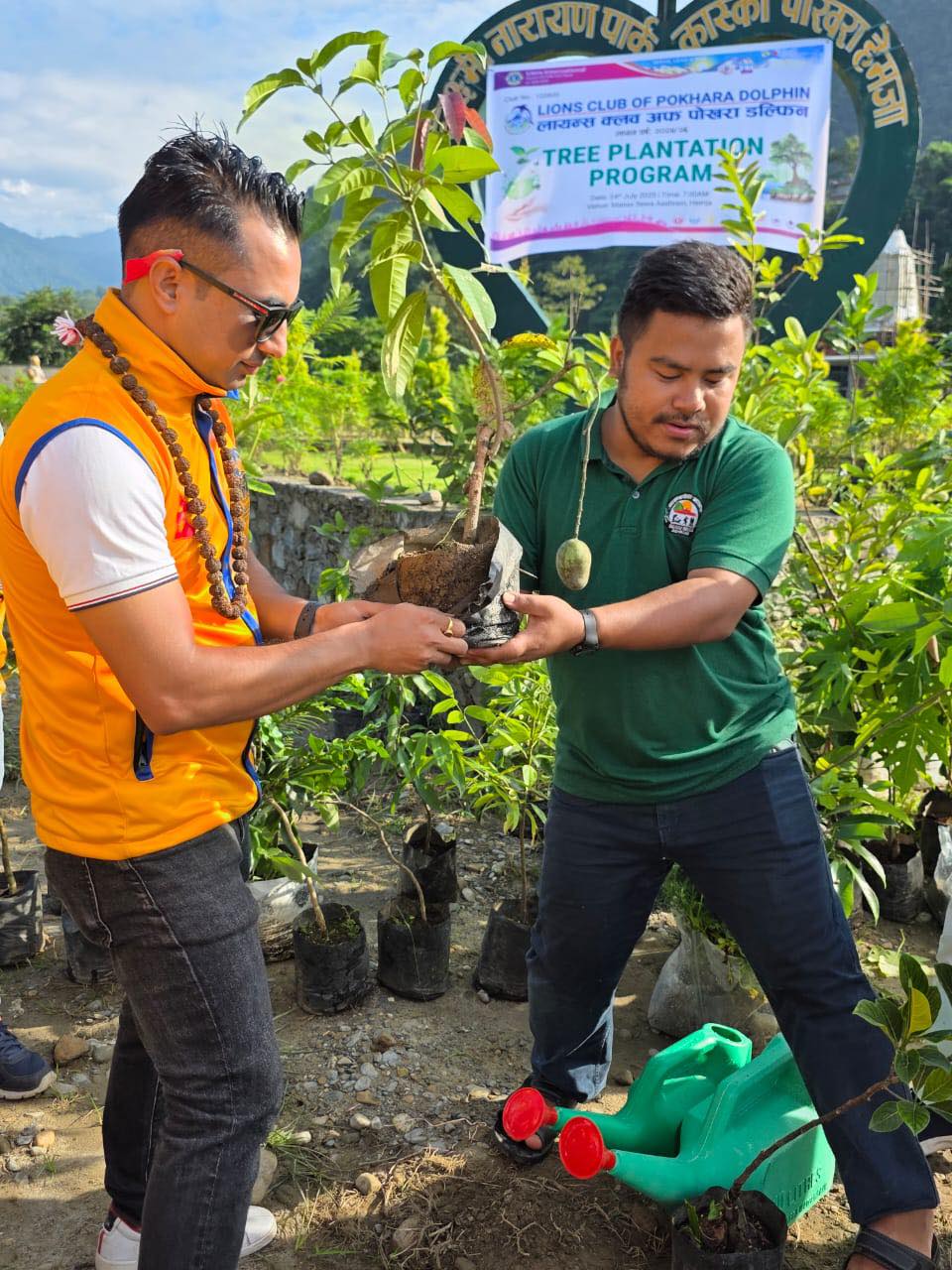
Leadership is an important skill that helps individuals create positive change in their communities and professions. Leadership development through service clubs provides valuable opportunities for people of all ages to build confidence, communication abilities, teamwork skills, and community awareness.
Service clubs bring together individuals who are committed to helping others while also developing their personal and professional capabilities. Through volunteer projects, community initiatives, and collaborative activities, members gain practical leadership experience that can benefit them throughout their lives.
Leadership Development Through Service Clubs and Community Engagement
One of the greatest advantages of service clubs is the opportunity to engage directly with community needs. Members participate in projects that address local challenges while learning how to organize activities, manage resources, and work with diverse groups of people.
Community engagement teaches leaders how to understand different perspectives and develop solutions that create meaningful impact.
Building Communication Skills
Effective communication is a core leadership skill. Service club activities often require members to interact with community members, volunteers, local organizations, and project partners.
Through these experiences, individuals learn how to:
- Speak confidently
- Present ideas clearly
- Listen actively
- Build relationships
- Resolve conflicts respectfully
Strong communication helps leaders inspire others and coordinate successful community initiatives.
Leadership Development Through Service Clubs Through Teamwork
Leadership is not only about directing others. It also involves working collaboratively with teams to achieve shared goals.
Service clubs provide opportunities for members to:
- Coordinate volunteer teams
- Plan events
- Delegate responsibilities
- Support team members
- Evaluate project outcomes
These experiences help individuals understand the importance of cooperation and mutual respect.
Developing Problem-Solving Abilities
Community projects often present unexpected challenges that require creative thinking and effective decision-making.
Members learn how to:
- Identify community needs
- Analyze problems
- Develop practical solutions
- Adapt to changing circumstances
- Evaluate results
Problem-solving skills gained through service activities are valuable in both professional and personal settings.
Leadership Development Through Service Clubs for Young People
Youth participation in service clubs can have a lasting impact on personal growth and future success. Young members gain hands-on experience that complements classroom learning and prepares them for future leadership opportunities.
Benefits for youth include:
- Increased confidence
- Improved teamwork skills
- Greater social awareness
- Leadership experience
- Community involvement
These experiences help young people become active and responsible citizens.
Creating a Culture of Service
Leadership is most effective when it is guided by a commitment to helping others. Service clubs encourage members to lead through action and example.
Volunteer projects promote:
- Compassion
- Responsibility
- Civic engagement
- Social awareness
- Community participation
By serving others, leaders develop a deeper understanding of the needs and strengths of their communities.
Networking and Professional Growth
Service clubs also provide opportunities to connect with individuals from different professional and personal backgrounds.
Members can:
- Build professional relationships
- Learn from experienced leaders
- Share knowledge and ideas
- Expand community networks
- Collaborate on meaningful projects
These connections often support both personal development and community impact.
The Long-Term Impact of Service Club Leadership
Leadership skills developed through service clubs often extend far beyond volunteer activities. Members frequently apply these skills in their careers, educational pursuits, and community involvement.
The ability to communicate effectively, manage projects, solve problems, and inspire others remains valuable throughout life.
Conclusion
Leadership development through service clubs provides individuals with practical experiences that strengthen confidence, communication, teamwork, and community engagement. Through volunteer service and collaborative projects, members learn valuable skills while making a positive difference in society.
As communities continue to face evolving challenges, strong and compassionate leaders remain essential. Service clubs help prepare individuals to meet these challenges while promoting a culture of service, responsibility, and positive action.
Frequently Asked Questions
What are service clubs?
Service clubs are organizations that bring people together to support community service, volunteer activities, and social development projects.
How do service clubs develop leadership skills?
Service clubs provide opportunities to organize projects, manage teams, communicate with stakeholders, and solve community challenges.
Can young people benefit from joining service clubs?
Yes. Service clubs help young people develop leadership, teamwork, communication, and community engagement skills.
Why is leadership important in community service?
Leadership helps organize resources, motivate volunteers, and create effective solutions for community needs.
What skills can members gain through service clubs?
Members often develop communication, teamwork, problem-solving, project management, and leadership abilities.