
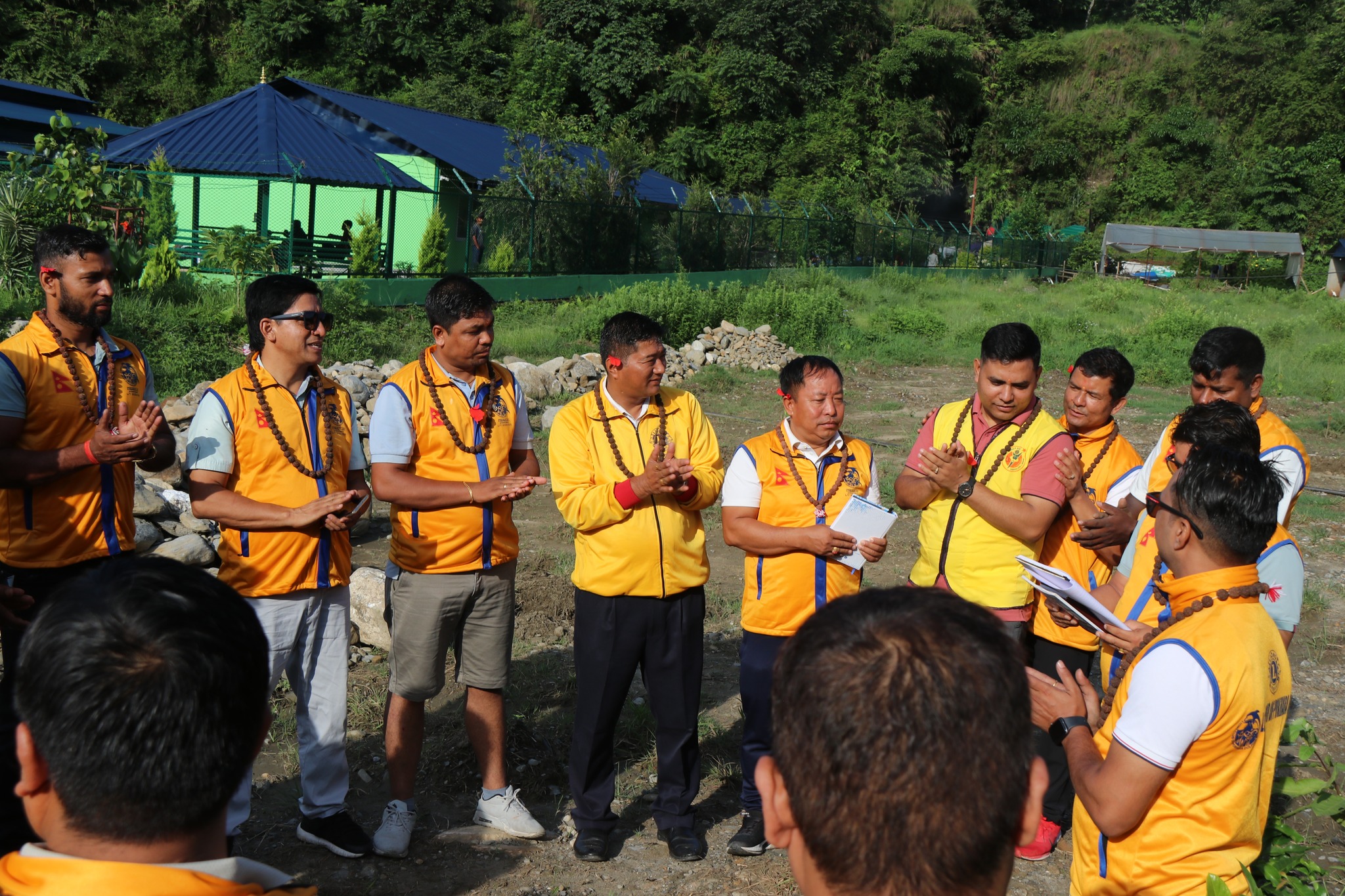
The benefits of youth volunteerism extend far beyond helping others. Young people who participate in volunteer activities gain valuable life skills, develop leadership abilities, and contribute positively to their communities. Through community service, youth can learn responsibility, teamwork, communication, and problem-solving while making a meaningful difference in society.
As communities face various social, environmental, and health-related challenges, youth volunteers play an increasingly important role in creating positive change. Their energy, creativity, and commitment help strengthen communities and inspire others to get involved.
Benefits of Youth Volunteerism for Personal Growth
One of the greatest benefits of youth volunteerism is personal development. Volunteer experiences allow young people to step outside their comfort zones and interact with people from different backgrounds.
Through volunteer work, youth often develop:
- Self-confidence
- Responsibility
- Empathy
- Communication skills
- Time management skills
These qualities can help them succeed both academically and professionally in the future.
Benefits of Youth Volunteerism Through Leadership Development
Volunteer activities provide opportunities for young people to take initiative and lead projects. Whether organizing an event, coordinating a community campaign, or working with a team, volunteers gain practical leadership experience.
Leadership skills developed through volunteerism include:
- Decision-making
- Team management
- Problem-solving
- Public speaking
- Project planning
These experiences help prepare youth for future leadership roles in schools, organizations, and communities.
Benefits of Youth Volunteerism in Strengthening Communities
Youth volunteers contribute directly to improving the well-being of local communities. Their participation supports programs related to education, healthcare, environmental conservation, and social welfare.
Examples of volunteer activities include:
- Community clean-up campaigns
- Blood donation awareness programs
- Educational support initiatives
- Environmental projects
- Disaster relief assistance
Through these efforts, young volunteers help address important community needs while developing a strong sense of civic responsibility.
Developing Teamwork and Communication Skills
Volunteer projects often require individuals to work together toward a common goal. This encourages teamwork, collaboration, and effective communication.
Young volunteers learn how to:
- Work with diverse groups
- Share responsibilities
- Resolve conflicts constructively
- Communicate ideas clearly
- Support team objectives
These skills are valuable in education, employment, and everyday life.
Building Social Awareness
The benefits of youth volunteerism also include a deeper understanding of social issues. Through direct involvement in community projects, young people gain awareness of challenges affecting different groups within society.
This awareness encourages:
- Compassion
- Inclusivity
- Social responsibility
- Community engagement
- Active citizenship
Understanding local challenges helps youth become informed and responsible members of society.
Benefits of Youth Volunteerism for Future Careers
Many employers value volunteer experience because it demonstrates initiative, commitment, and leadership potential. Volunteer activities provide practical experiences that can strengthen resumes and professional profiles.
Volunteer work helps youth demonstrate:
- Leadership abilities
- Organizational skills
- Teamwork experience
- Community involvement
- Problem-solving capabilities
These experiences can provide a competitive advantage when applying for jobs, internships, or higher education opportunities.
The Role of Community Organizations
Community organizations play an important role in creating volunteer opportunities for young people. Through structured programs and service projects, organizations help youth gain experience while contributing to meaningful causes.
Volunteer programs often focus on:
- Community service
- Health awareness
- Education support
- Environmental conservation
- Humanitarian assistance
Such initiatives encourage long-term community involvement and leadership development.
Encouraging a Culture of Service
When young people participate in volunteer activities, they often inspire friends, classmates, and family members to become involved as well. This creates a culture of service that benefits the entire community.
By encouraging volunteerism among youth, communities can build stronger support networks and create lasting positive impact.
Conclusion
The benefits of youth volunteerism extend to individuals, communities, and society as a whole. Through volunteer service, young people develop important life skills, strengthen leadership abilities, build social awareness, and contribute to meaningful community improvements.
As future leaders and active citizens, youth volunteers play a vital role in creating stronger, healthier, and more resilient communities. Encouraging volunteer participation today helps build a brighter future for everyone.
Frequently Asked Questions
Why is youth volunteerism important?
Youth volunteerism helps young people develop skills, gain experience, and contribute positively to their communities.
What skills can youth learn from volunteering?
Volunteering helps develop leadership, teamwork, communication, problem-solving, and organizational skills.
How does volunteerism help communities?
Volunteerism supports community programs, addresses local needs, and encourages social responsibility.
Can volunteer experience help with future careers?
Yes. Volunteer experience demonstrates initiative, leadership, and commitment, which are valuable to employers and educational institutions.
How can young people get involved in volunteer activities?
Youth can participate through schools, community organizations, service clubs, environmental groups, and local volunteer programs.