Importance of Blood Donation in Nepal: Saving Lives Through Community Support
Blood donation is one of the simplest yet most powerful ways to save lives. Every day, hospitals across Nepal require blood for emergency surgeries, accident victims, mothers facing childbirth complications, and patients suffering from serious illnesses. Without a sufficient supply of blood, many life-saving medical treatments become impossible.
Despite growing awareness, Nepal still faces periodic shortages of blood, especially during emergencies, natural disasters, and public health crises. Voluntary blood donors play a crucial role in ensuring that hospitals and healthcare facilities have access to safe and adequate blood supplies when patients need them most.
Importance of Blood Donation in Nepal for Public Health
Blood cannot be manufactured artificially. The only source of blood is from healthy donors who willingly contribute to helping others. A single blood donation can potentially help multiple patients through the separation of blood components such as red blood cells, plasma, and platelets.
By donating blood regularly, individuals directly support the healthcare system and provide hope to people facing critical medical situations.
Supporting Emergency Medical Care
Road accidents, workplace injuries, and emergency surgeries often require immediate blood transfusions. In these situations, access to safe blood can mean the difference between life and death.
Nepal’s healthcare facilities depend heavily on voluntary blood donors to maintain adequate blood reserves for emergencies. Community blood donation drives help ensure that hospitals are prepared to respond when urgent situations arise.
Helping Patients With Chronic Illnesses
Many patients require blood transfusions on a regular basis. Individuals living with conditions such as severe anemia, blood disorders, and certain cancers often depend on donated blood during treatment.
For these patients, regular blood donation programs provide a continuous source of support and improve their quality of life.
Supporting Mothers and Newborns
Complications during pregnancy and childbirth can sometimes result in significant blood loss. Access to safe blood supplies helps healthcare professionals manage these situations and protect both mothers and newborn babies.
Blood donation therefore contributes directly to improving maternal healthcare outcomes throughout Nepal.
Current Blood Donation Needs in Nepal
As Nepal’s population continues to grow, the demand for blood also increases. Urban hospitals, rural health centers, and emergency response services all require a stable blood supply.
Seasonal challenges, public holidays, and natural disasters can affect blood collection efforts. This makes regular voluntary blood donation even more important.
Community awareness campaigns can help educate citizens about the ongoing need for blood donors and encourage participation throughout the year.
Benefits That Show the Importance of Blood Donation in Nepal
Voluntary blood donation benefits both recipients and the wider community.
Benefits for Recipients
- Access to life-saving treatment
- Improved survival during emergencies
- Support for surgeries and medical procedures
- Better care for patients with chronic illnesses
Benefits for Donors
- Opportunity to contribute to society
- Sense of community involvement
- Regular health screening during donation
- Personal satisfaction from helping others
The Role of Community Organizations
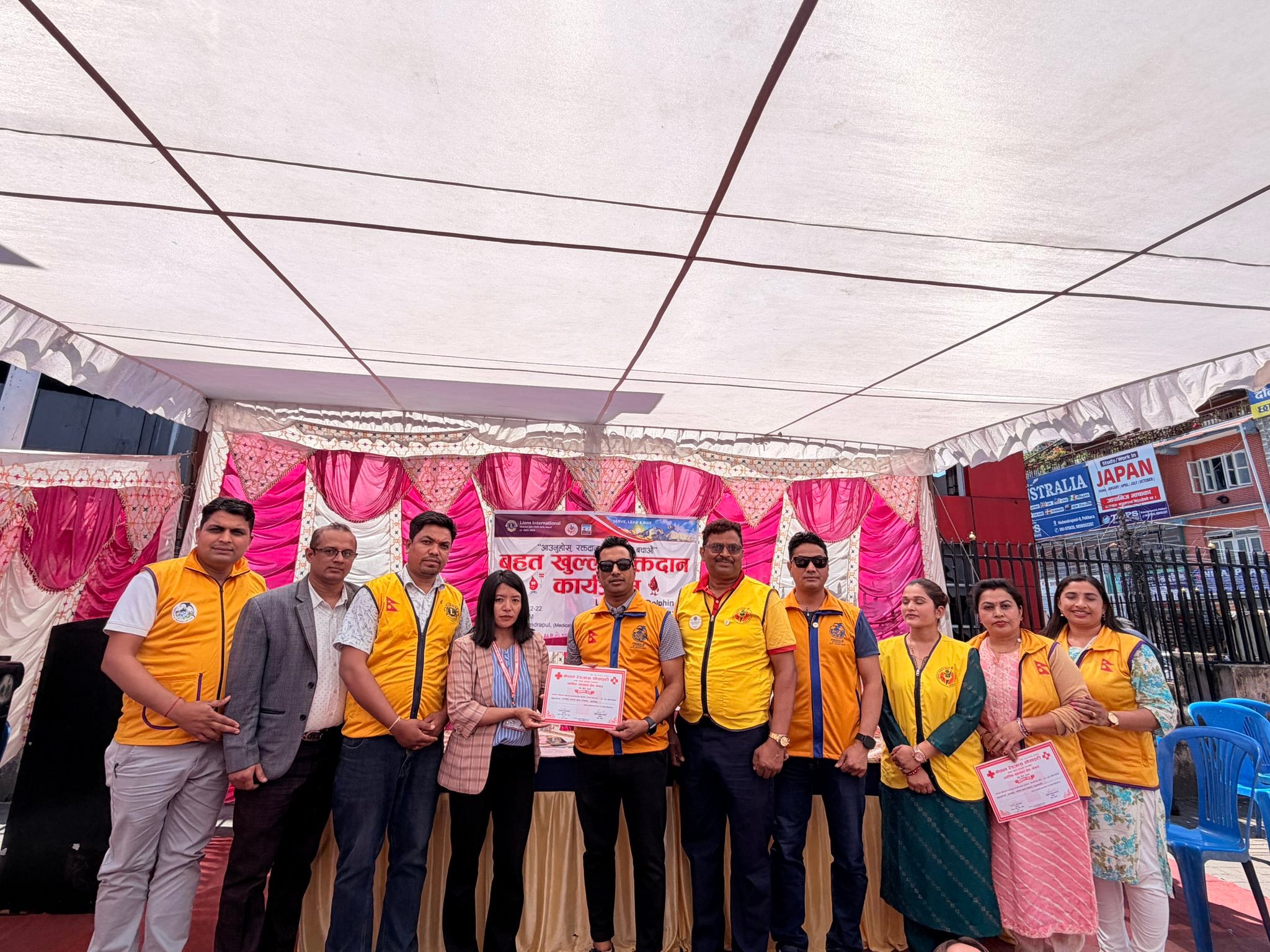
Community organizations play an essential role in organizing blood donation campaigns and educating the public about the importance of donating blood.
Service organizations, schools, colleges, businesses, and volunteer groups frequently collaborate to conduct blood donation drives and awareness programs. These initiatives help increase donor participation and strengthen local healthcare systems.
How Blood Donation Campaigns Make a Difference
Blood donation campaigns provide a convenient and organized way for people to contribute. Through proper planning and public awareness, these events help collect blood safely while encouraging first-time donors to participate.
Regular campaigns also foster a culture of community service and social responsibility. They demonstrate how small individual actions can collectively create a significant positive impact.
How Citizens Can Become Regular Blood Donors
Becoming a blood donor is a meaningful way to support your community. Healthy individuals who meet eligibility requirements can donate blood at authorized blood collection centers and community donation camps.
Citizens can also:
- Participate in local blood donation drives
- Encourage friends and family members to donate
- Share awareness messages through social media
- Volunteer during community health programs
Every donation has the potential to save lives and support patients during their most challenging moments.
Conclusion
Blood donation remains one of the most valuable acts of community service in Nepal. By contributing safe and voluntary blood donations, citizens help hospitals provide essential medical care and support patients facing emergencies and serious illnesses.
Building a strong culture of blood donation requires ongoing awareness, community participation, and cooperation among healthcare providers, volunteers, and service organizations. Together, these efforts can strengthen Nepal’s healthcare system and ensure that life-saving blood is available whenever it is needed.
Frequently Asked Questions
Is blood donation safe?
Yes. Blood donation is performed using sterile equipment and follows established medical safety procedures.
Who can donate blood?
Eligibility requirements may vary, but healthy adults who meet medical guidelines can generally donate blood.
How often can a person donate blood?
The recommended interval between donations depends on national guidelines and individual health conditions.
Why is voluntary blood donation important?
Voluntary donors help maintain a safe and reliable blood supply for hospitals and patients in need.
How can I participate in a blood donation camp?
You can contact local healthcare organizations, blood banks, or community groups that organize blood donation programs.